
The Role of DNS Leak Protection in Securing IPTV Streams in the
Ensuring the privacy and integrity of IPTV streams in the UK requires more than just a VPN. DNS leak protection plays a critical role by preventing data leaks that can compromise your security and privacy.
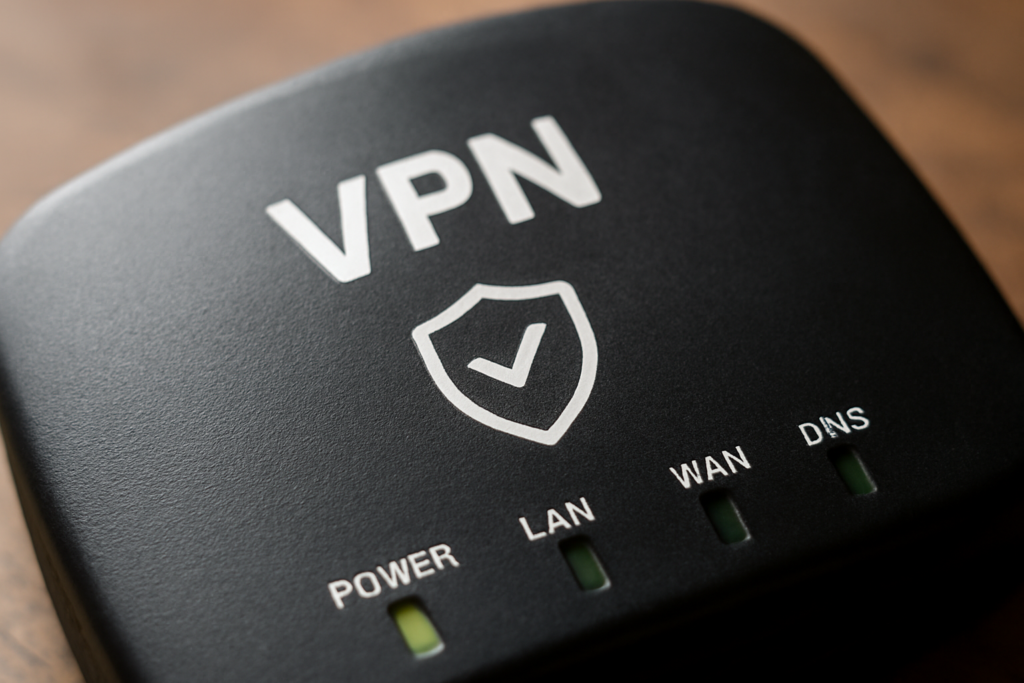
The Role of DNS Leak Protection in Securing IPTV Streams in the UK: Practical Guide
The Role of DNS Leak Protection in Securing IPTV Streams in the UK is the focus of this practical guide. The following sections explain useful options, key considerations and clear steps to help readers make an informed decision.
The Importance of DNS Leak Protection for UK IPTV Users
In an era where digital privacy is increasingly under threat, IPTV consumers in the UK must consider multiple layers of security to protect their streaming activities. While using a VPN is a common approach, its effectiveness hinges on how well it manages DNS queries. DNS leak protection is a crucial feature that stops your device from accidentally revealing your browsing or streaming activity outside the VPN tunnel. Proper DNS leak protection ensures that your online actions remain private, preventing potential exposure to your ISP, government agencies, or malicious actors.
Understanding DNS and Its Role in IPTV Security
Domain Name System (DNS) functions as the internet’s phonebook, translating human-friendly website addresses (like example.com) into IP addresses that computers use to locate content. When you access an IPTV stream, your device sends DNS queries to resolve the content’s server address. If these DNS requests are not routed securely through your VPN, they can be exposed, revealing your activity and location.
For example, suppose you are watching a UK-based IPTV service. If your DNS requests leak outside the VPN tunnel, your ISP or third parties can see that you are accessing specific streaming services, even if your IP address appears masked. This exposure can undermine your privacy and, in some cases, lead to legal or content restrictions, especially if the streams are unlicensed or regionally restricted.
How DNS Leaks Threaten IPTV Privacy in the UK
Without DNS leak protection, your device might send DNS requests directly to your ISP’s DNS servers, bypassing the VPN. This leak can compromise your anonymity and reveal your streaming habits, location, and the fact that you are accessing IPTV content. In the UK, where regulatory scrutiny of online activity is more stringent, such leaks can have serious implications. For instance, if authorities or rights holders monitor DNS traffic, they could identify users engaging in unlicensed streaming or accessing geo-restricted content.
Additionally, DNS leaks can expose your real geographic location, defeating the purpose of using a VPN to access UK-specific IPTV services from abroad or to maintain privacy within the UK. This exposure can lead to targeted legal actions or content restrictions, making DNS leak protection a non-negotiable feature for privacy-conscious IPTV users.
Why VPNs with DNS Leak Protection Are Essential for UK IPTV Users
- Preserves Anonymity: DNS leak protection ensures that all DNS requests are routed through the VPN, keeping your streaming activity hidden from third parties, including your ISP and potential eavesdroppers.
- Maintains Access to Geo-Restricted Content: Proper DNS routing prevents leaks that could reveal your true location, allowing seamless access to UK IPTV services even when abroad.
- Reduces Legal and Privacy Risks: By preventing DNS leaks, users lower the chance of their activity being traced back to them, which is particularly important in regions with strict content regulations or surveillance.
Practical Steps to Enhance IPTV Security with DNS Leak Protection
- Select a VPN with Built-in DNS Leak Protection: Not all VPN providers automatically include DNS leak protection. When choosing a VPN, verify that it offers this feature in its specifications or support documentation. Reputable providers often include automatic DNS leak prevention to safeguard your privacy.
- Configure DNS Settings Manually: Advanced users can set custom DNS servers, such as those provided by privacy-focused organizations like Cloudflare (1.1.1.1) or Google (8.8.8.8). Manual configuration can add an extra layer of control, but it requires technical knowledge to ensure proper routing through the VPN.
- Regularly Test for DNS Leaks: Use online tools such as DNS Leak Test or IPLeak.net to verify that your DNS queries are not leaking when connected to your VPN. Conduct these tests periodically, especially after updates or configuration changes.
- Keep VPN Software Updated: VPN providers frequently release updates to patch vulnerabilities, including DNS leak issues. Regularly updating your VPN client ensures you benefit from the latest security enhancements.
Additional Considerations and Caveats
While DNS leak protection is vital, it should be part of a comprehensive security strategy. Here are some important caveats:
- Choose a Reputable VPN Provider: Not all VPNs are equal. Some claim to offer leak protection but may have vulnerabilities. Research and select providers with a proven track record of security and privacy.
- Understand the Limitations: DNS leak protection cannot prevent all forms of data leaks or surveillance. Combining it with other measures, such as using secure protocols (OpenVPN, WireGuard), enabling kill switches, and practicing good cybersecurity hygiene, is recommended.
- Be Aware of Advanced Leak Techniques: Sophisticated attackers or government agencies may employ advanced methods to detect leaks. Regular testing and choosing VPNs with robust leak prevention features mitigate this risk.
Conclusion
For IPTV users in the UK, safeguarding streaming privacy involves more than just connecting to a VPN. The role of DNS leak protection in securing IPTV streams in the UK is critical for maintaining anonymity, accessing geo-restricted content, and avoiding legal complications. By selecting VPNs with built-in DNS leak prevention, configuring settings properly, and regularly testing for leaks, users can significantly enhance their privacy and security.
To explore reliable VPN options with robust DNS leak protection, consider reviewing trusted providers listed in this guide.
