
Differences Between IPTV and Satellite TV in the UK Explained
Understanding the differences between IPTV and satellite TV helps UK viewers choose the best service for their needs. This guide compares setup, costs, reliability, and content options.
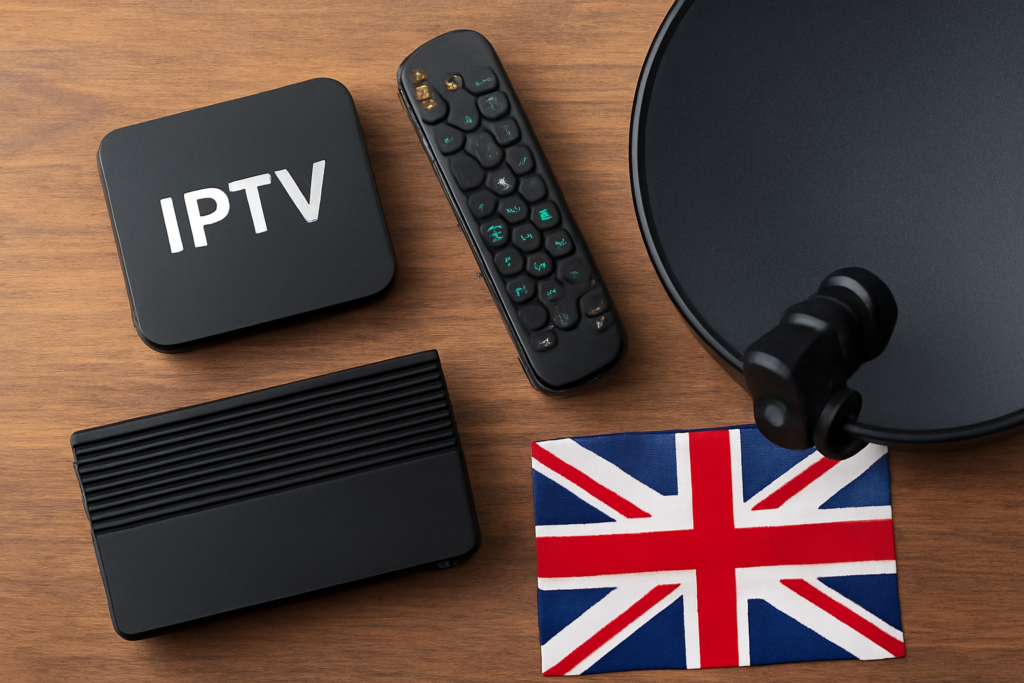
Differences Between IPTV and Satellite TV in the UK: Practical Guide
Differences Between IPTV and Satellite TV in the UK is the focus of this practical guide. The following sections explain useful options, key considerations and clear steps to help readers make an informed decision.
Understanding IPTV and Satellite TV in the UK
For UK households seeking television entertainment, choosing between IPTV and satellite TV involves evaluating several technical, practical, and legal factors. Both methods deliver TV content effectively but do so through fundamentally different technologies, which impact installation, cost, reliability, flexibility, and content options. Making an informed decision requires understanding how each service operates, their advantages and disadvantages, and how they fit into your lifestyle and technical environment.
What is IPTV and How Does It Work?
IPTV, or Internet Protocol Television, streams live TV channels and on-demand content over your broadband internet connection. Unlike traditional broadcast methods, IPTV transmits data packets via your internet network, allowing for a more interactive and customizable viewing experience. It requires a stable, high-speed internet connection to deliver high-quality streams without buffering or interruptions.
IPTV services are accessible through various compatible devices, including smart TVs, streaming boxes (like Amazon Fire TV, Roku, or Apple TV), computers, tablets, and smartphones. This flexibility means viewers can watch content anywhere with an internet connection, making IPTV a highly portable option. Many IPTV providers also offer apps or web portals that facilitate easy access to live channels, catch-up TV, and on-demand libraries, often including international channels and niche content not readily available via traditional broadcast methods.
To set up IPTV, users typically subscribe to a service that provides a playlist or app, then install it on their device. The content is streamed directly over the internet, which means your broadband speed and stability significantly influence the viewing experience. High-definition streams generally require download speeds of at least 10 Mbps or higher for smooth playback.
How Satellite TV Operates
Satellite TV relies on a dish installed outside your property, which receives signals transmitted from orbiting satellites. These signals are captured by a satellite dish and sent to a set-top box or receiver inside your home. The receiver decodes the signals and displays the channels on your television. This technology has been a mainstay in the UK for decades, especially in rural or remote areas where internet connectivity may be limited or unreliable.
Satellite TV offers a direct, broadcast-based method of delivering TV channels, often with a wide range of packages including sports, movies, and international channels. Because it does not depend on internet bandwidth, satellite TV can provide a consistent viewing experience regardless of your broadband quality, provided the weather conditions are clear.
Installation involves mounting the dish at an optimal angle and alignment, which often requires professional setup to ensure the best signal quality. Once installed, satellite systems typically require a dedicated receiver connected to your TV, and the service is accessed via a subscription model with fixed channel packages.
Key Differences in Setup and Equipment
- Installation Complexity: Satellite TV installation involves mounting a dish, aligning it precisely to the satellite, and connecting a dedicated receiver. This process can be complex and often necessitates professional installation, especially for optimal signal quality. Conversely, IPTV setup is straightforward—requiring only a stable internet connection and a compatible device or app, making it more accessible for most users.
- Device Compatibility: IPTV services are versatile, accessible via smart TVs, smartphones, tablets, or dedicated IPTV boxes. Many services also support multi-device streaming simultaneously. Satellite TV requires a specific set-top box and a TV connection, with limited flexibility for device types.
- Portability and Flexibility: IPTV offers significant portability; you can watch content on any device connected to the internet, whether at home or on the go. Satellite dishes are fixed installations, restricting viewing to the location of the dish unless additional equipment like portable satellite dishes or mobile setups are used, which can be costly and complex.
Cost Considerations: Upfront and Ongoing Expenses
Satellite TV often involves higher initial costs due to the need for a satellite dish, professional installation, and a dedicated receiver. Hardware costs can be bundled into the subscription package or paid separately. Monthly subscription fees are generally comparable to IPTV, but some satellite providers include hardware costs in their pricing, which can make initial expenses higher.
IPTV subscriptions tend to have lower upfront costs, especially if you already own compatible devices like a smart TV or streaming box. However, to ensure optimal performance, you might need to upgrade your internet plan to higher speeds, which can incur additional costs. Monthly IPTV subscription fees vary depending on the provider and content packages but are often flexible, with options for add-ons or premium channels.
It is important to consider hidden costs such as equipment maintenance, potential internet upgrades, or additional hardware purchases when comparing the total cost of ownership.
Content Variety and Customization
Both IPTV and satellite TV offer a range of channel packages, but IPTV generally provides more extensive options for customization. IPTV platforms often support on-demand content, catch-up TV, and international channels, giving viewers greater control over their viewing experience. Many IPTV services also support third-party apps and add-ons, expanding content choices further.
Satellite TV traditionally offers fixed channel packages, with some providers offering flexible options or à la carte selections. While satellite excels at delivering live broadcasts, especially sports and news, it is less adaptable for on-demand viewing compared to IPTV. However, satellite services often include premium channels or specialized packages that cater to niche interests.
Reliability and Performance Factors
Satellite signals can be affected by weather conditions such as heavy rain, snow, or thick cloud cover, leading to signal degradation or temporary loss. This phenomenon, known as “rain fade,” can disrupt viewing, especially during adverse weather. Satellite TV is generally reliable in clear weather but less so in extreme conditions.
IPTV performance depends heavily on your internet connection’s quality. A high-speed, low-latency broadband connection is essential for smooth streaming, especially for HD or 4K content. Network congestion, Wi-Fi interference, or bandwidth limitations can cause buffering, lag, or degraded picture quality. To mitigate these issues, many users opt for wired Ethernet connections or upgrade their internet plans.
In summary, satellite TV offers weather-independent reliability, while IPTV’s performance hinges on your broadband infrastructure. Both services can provide high-quality viewing experiences when properly set up and maintained.
Legal and Privacy Considerations
Choosing legitimate IPTV providers is crucial to ensure compliance with UK broadcasting laws and to protect your privacy. Many unauthorized IPTV streams operate without proper licensing, often offering free or cheap access to premium content. These illegal streams pose significant risks, including poor quality, malware infections, and potential legal action.
Always verify that your IPTV provider is licensed and adheres to UK broadcasting regulations. Legitimate providers typically have transparent licensing information, clear privacy policies, and secure streaming platforms. Using official services not only ensures legal compliance but also guarantees better quality and customer support.
Additionally, be aware of data privacy concerns. Reputable providers implement security measures to protect user data, while illegal streams may compromise your privacy or expose you to cyber threats.
Making the Right Choice for Your Needs
Deciding between IPTV and satellite TV depends on several factors, including your location, internet quality, budget, and content preferences. Consider the following when making your choice:
- Location and Infrastructure: If you live in a rural area with unreliable or slow internet, satellite TV may be more dependable. Conversely, urban dwellers with high-speed broadband can benefit from IPTV’s flexibility and content variety.
- Internet Speed and Reliability: For IPTV, a fast and stable internet connection is essential. If your broadband is inconsistent, satellite might provide a more reliable experience.
- Content Preferences: If you desire on-demand content, international channels, or customization, IPTV offers advantages. For fixed channel packages and reliable live broadcasts, satellite is a solid choice.
- Budget and Installation: Consider upfront costs, ongoing fees, and installation complexity. IPTV generally has lower initial costs but may require internet upgrades.
Conclusion
Both IPTV and satellite TV deliver entertainment in distinct ways, each with unique advantages and limitations. Understanding these differences helps UK viewers make informed decisions that align with their lifestyle, technical environment, and content desires. Whether opting for the flexibility and content diversity of IPTV or the reliability and simplicity of satellite TV, weighing setup, cost, content, and performance factors is essential for a satisfying viewing experience.
